Pax Romana is by Jonathan Hickman; Image Comics
World History: Volume 11, Since 1500, 5th Edition is by William J Duicker and Jackson J Spielvogel
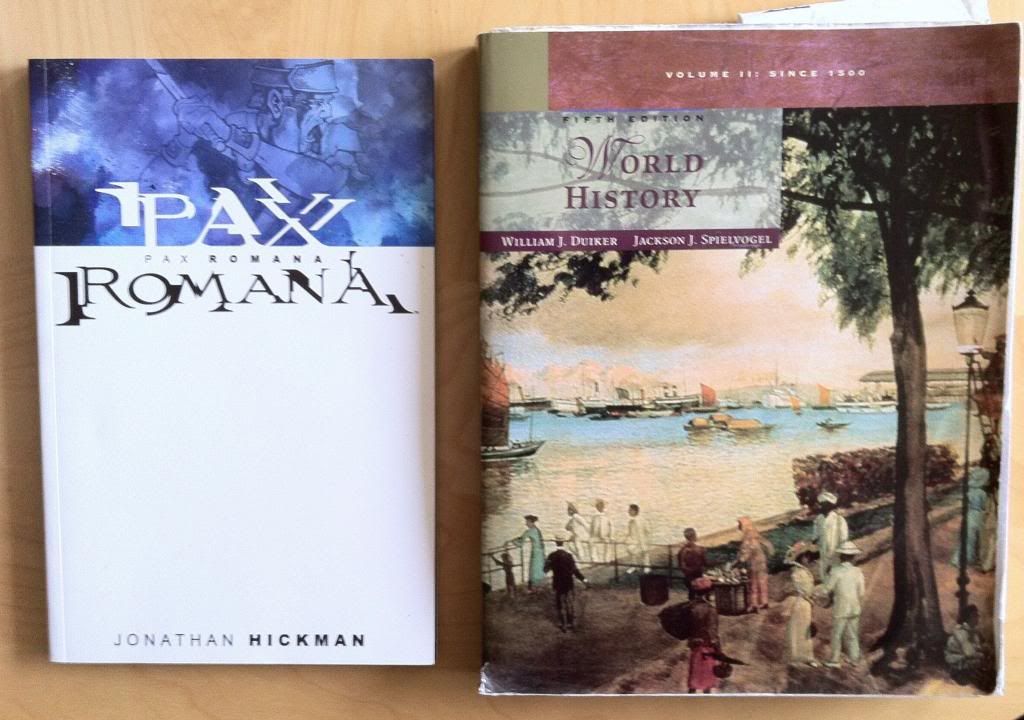
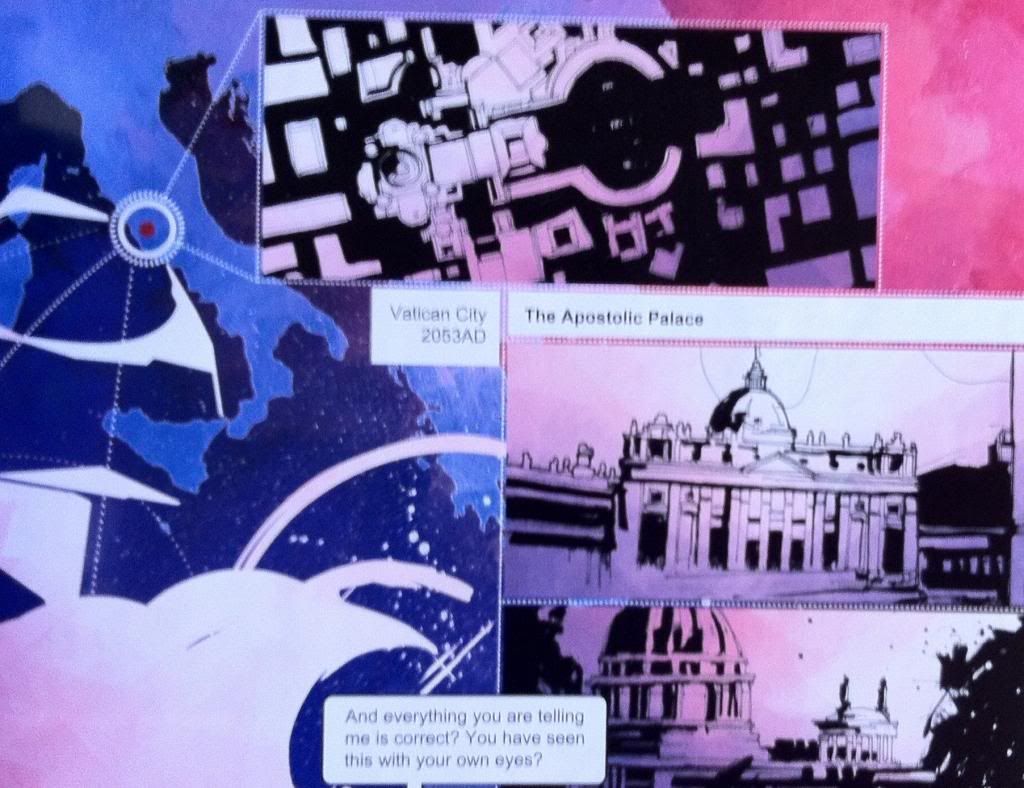
Pax Romana is a great comic about the Catholic church sending a group of mercenaries back through time to prop up the church who instead go rogue and use the Roman Empire to enact a campaign of Scientific and social reform to change the future. Basically, it's a time travel comic where the objective of the travellers is to destroy history to save the future. It's a great, thinky, quintessentially Hickman plotted comic that also features his distinctive, deconstructed comic art style. It is also a comic that is framed as a history lesson given by The Gene Pope to a young Roman Emperor, and as such functions like an history textbook. This aspect of Pax Romana is enhanced by the inclusion of several elements of an actual history text book.
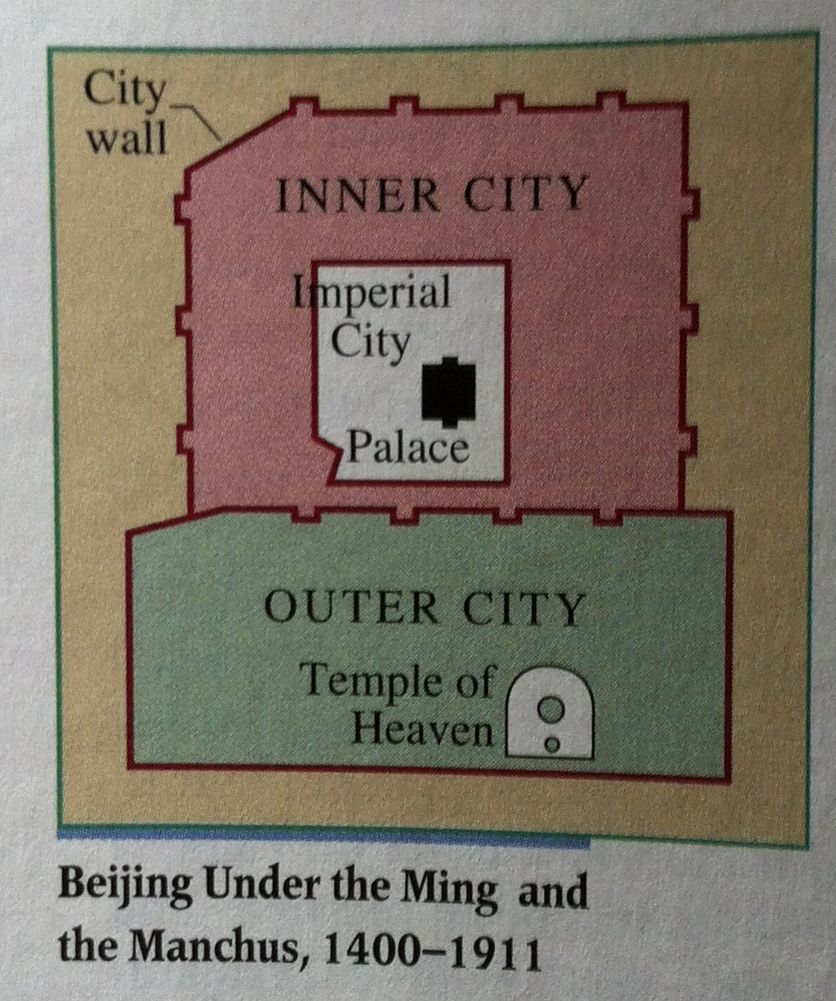
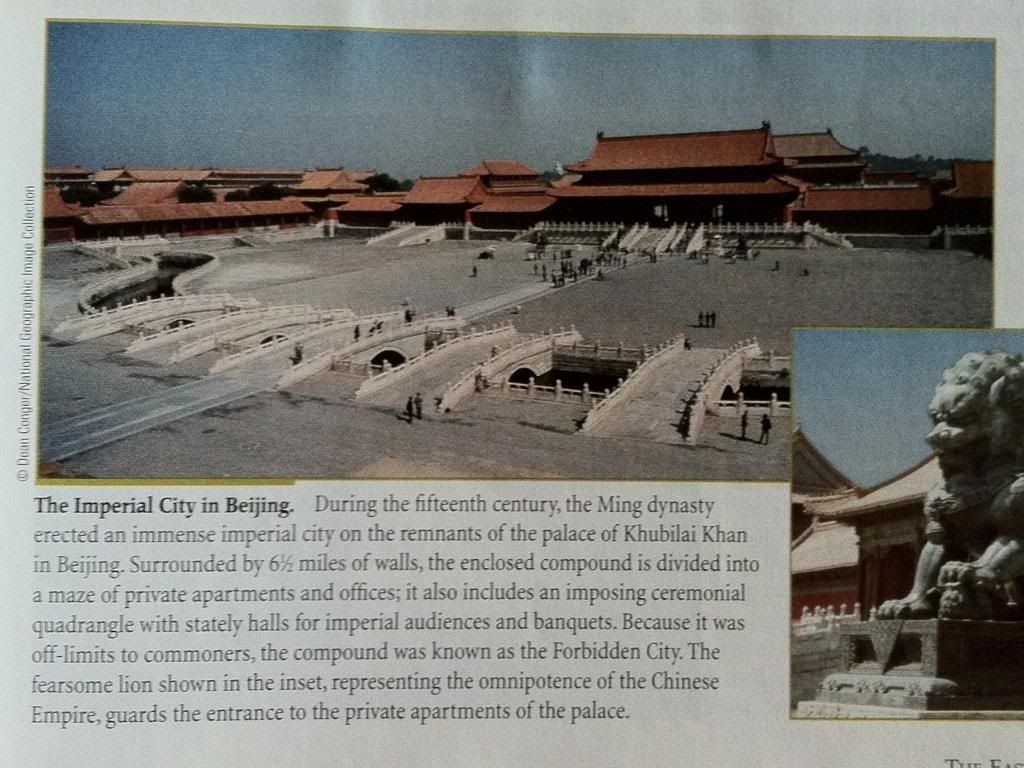
I am that guy who kept all of his undergraduate textbooks, and incidentally still have a textbook from a World History survey course I took in my first year of University. I think it might be fun to compare Pax Romana to this textbook to illustrate the many ways Pax Romana borrows from textbooks to enhance this aspect of the comic.
This will contain *SPOILERS* for Pax Romana and human history, so keep reading at your own risk.
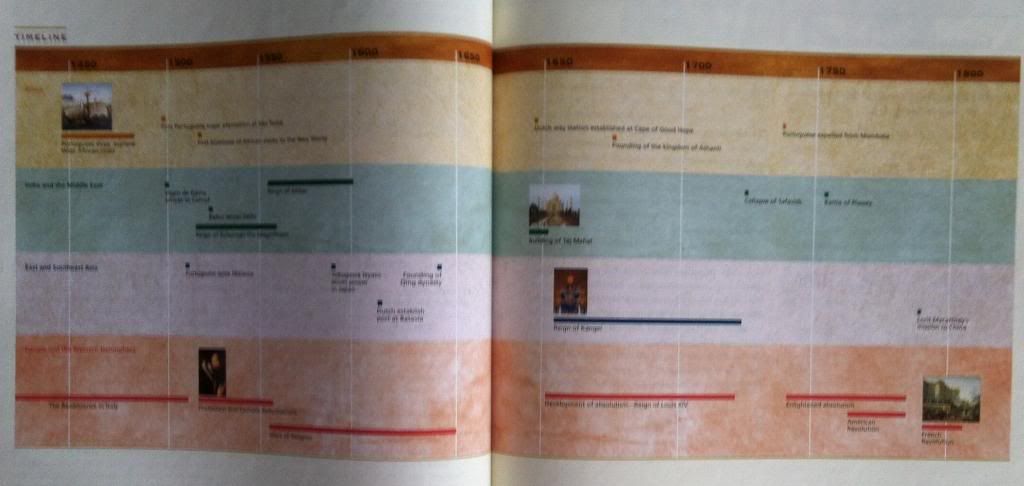
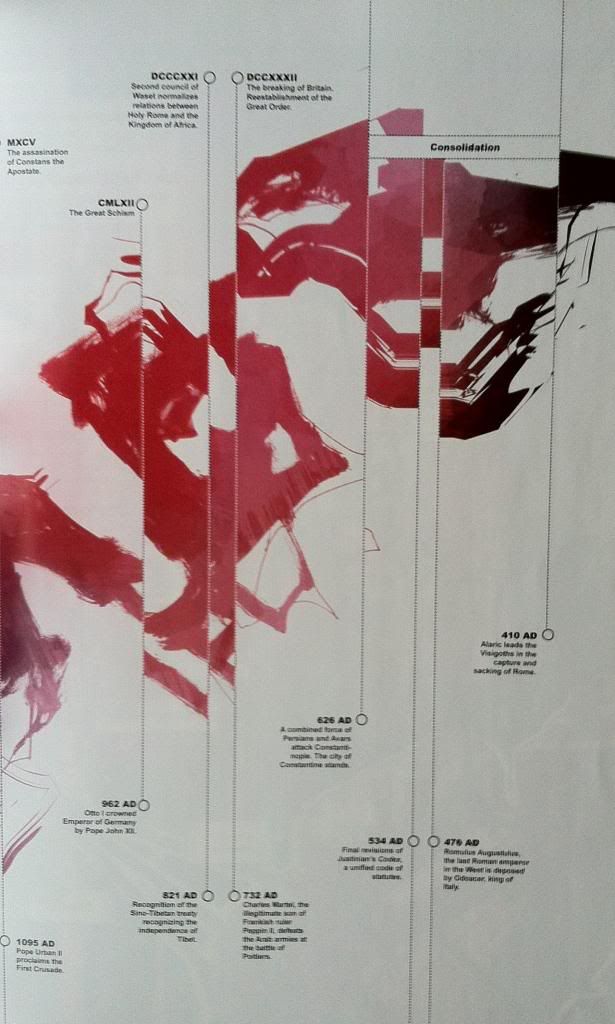
For instance, both Pax Romana and the textbook have timelines:

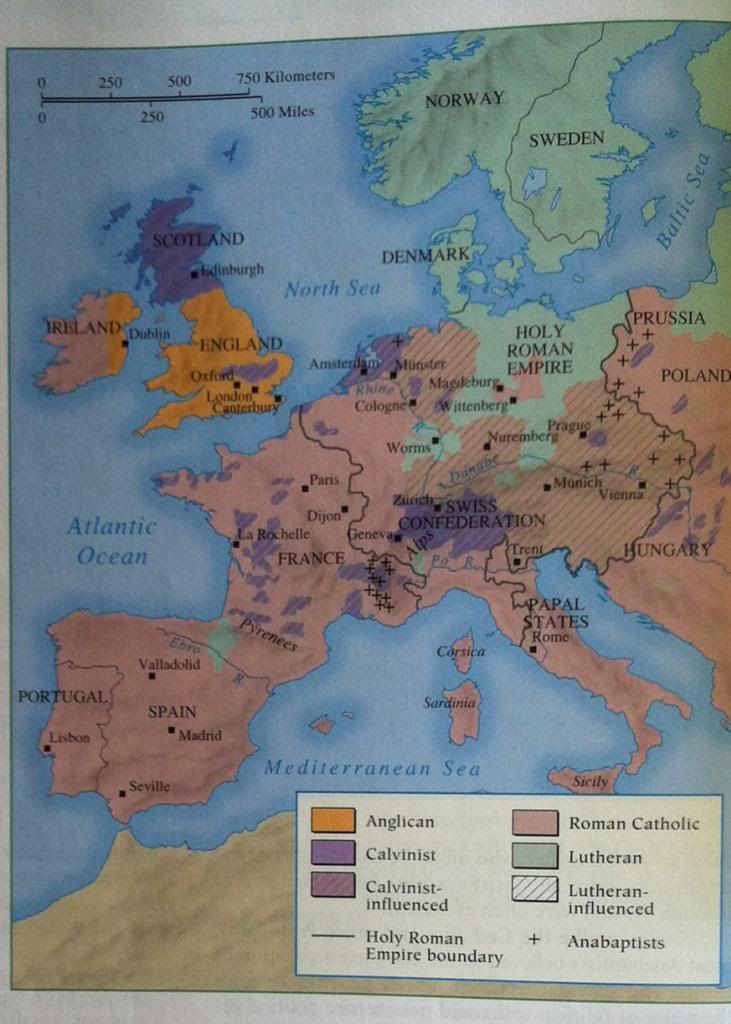

They both contain historic primary documents:
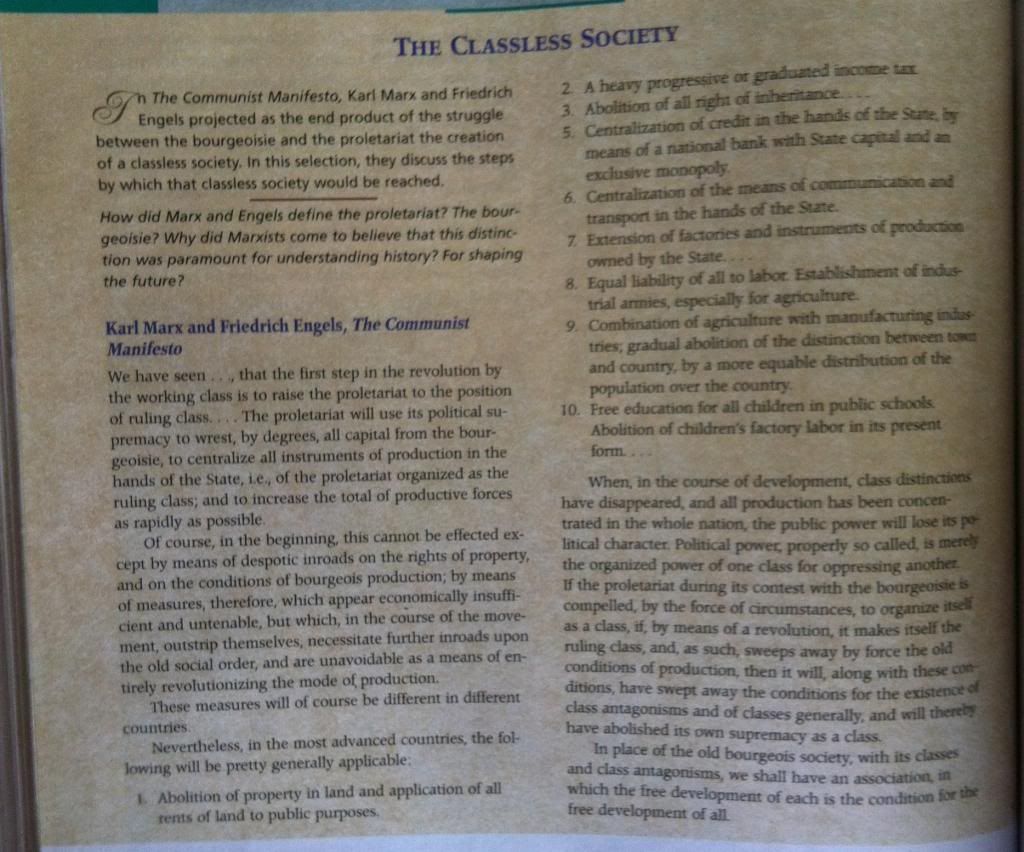
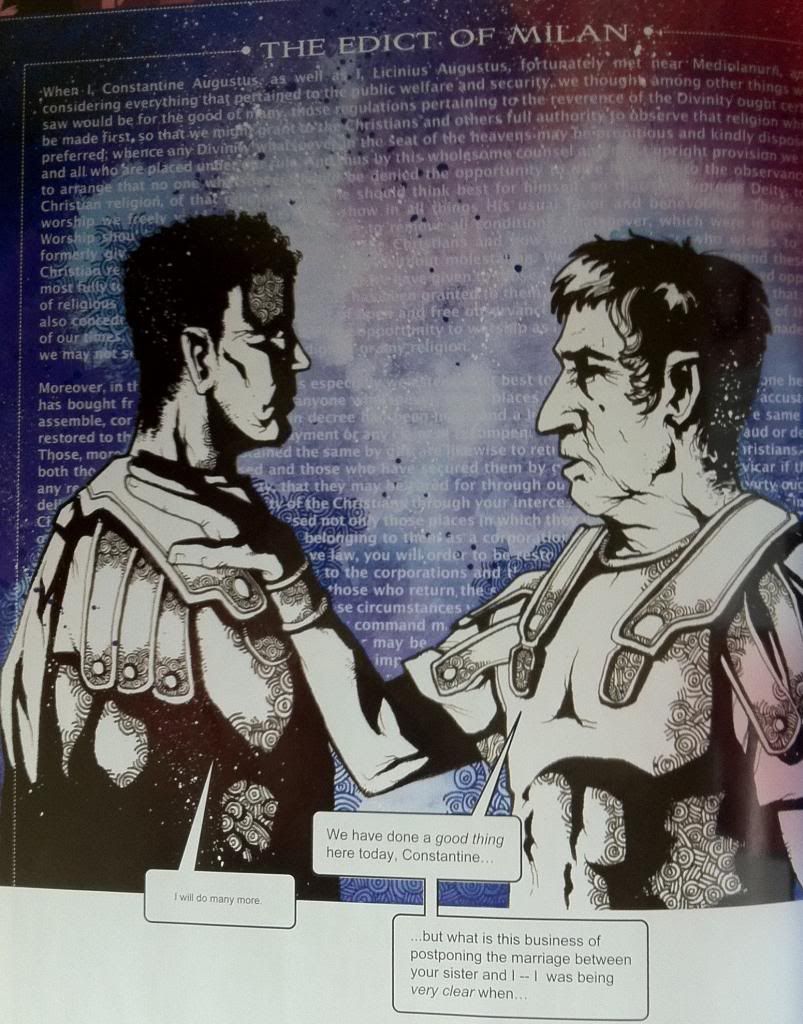
Both Pax Romana and the History textbook have portraits of historically significant people with descriptive captions.
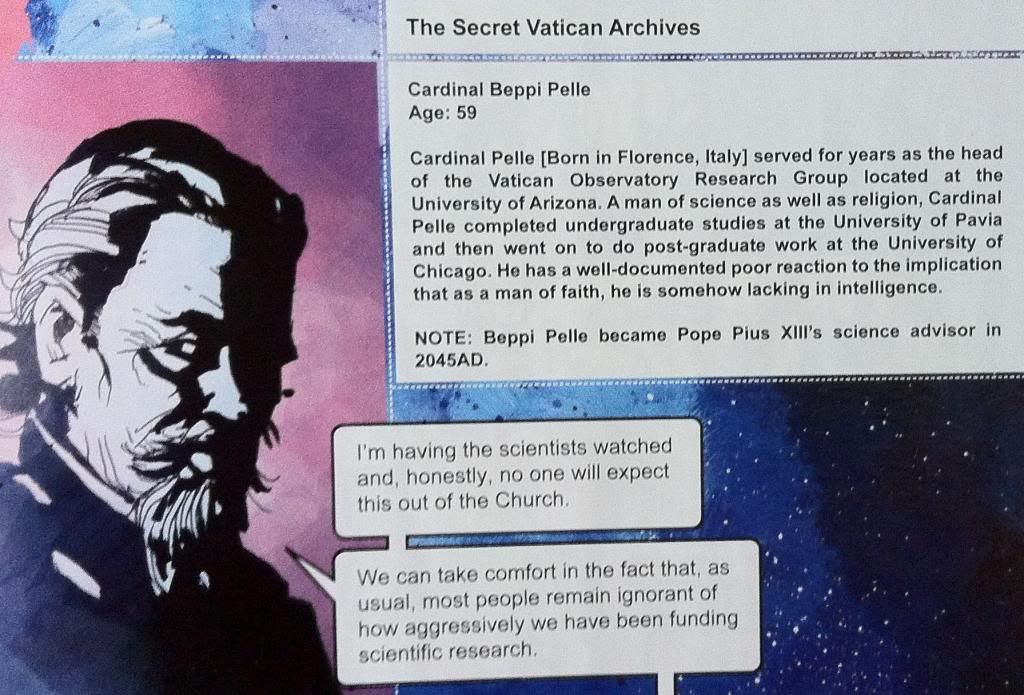
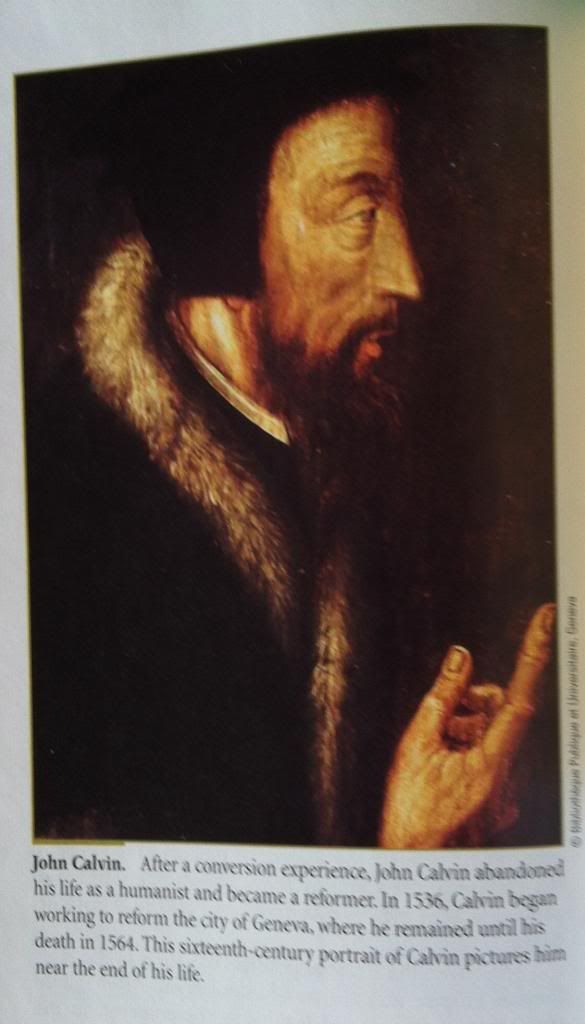
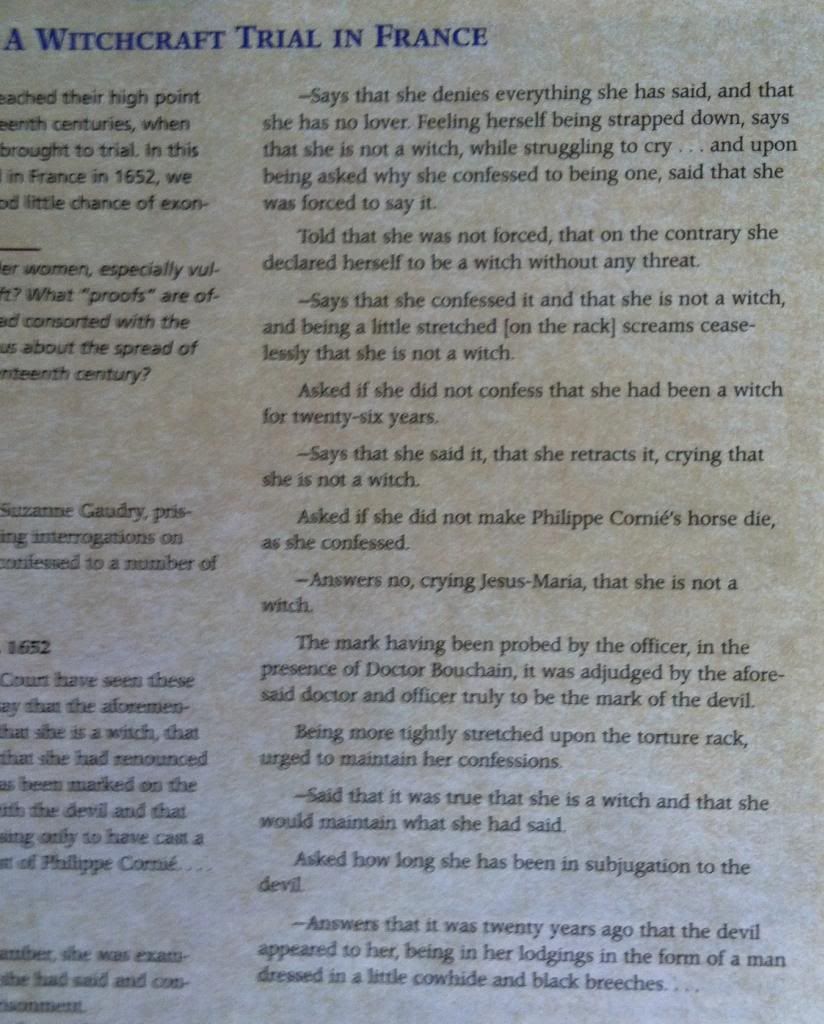
The comic and the text both have transcripts of historic conversations:

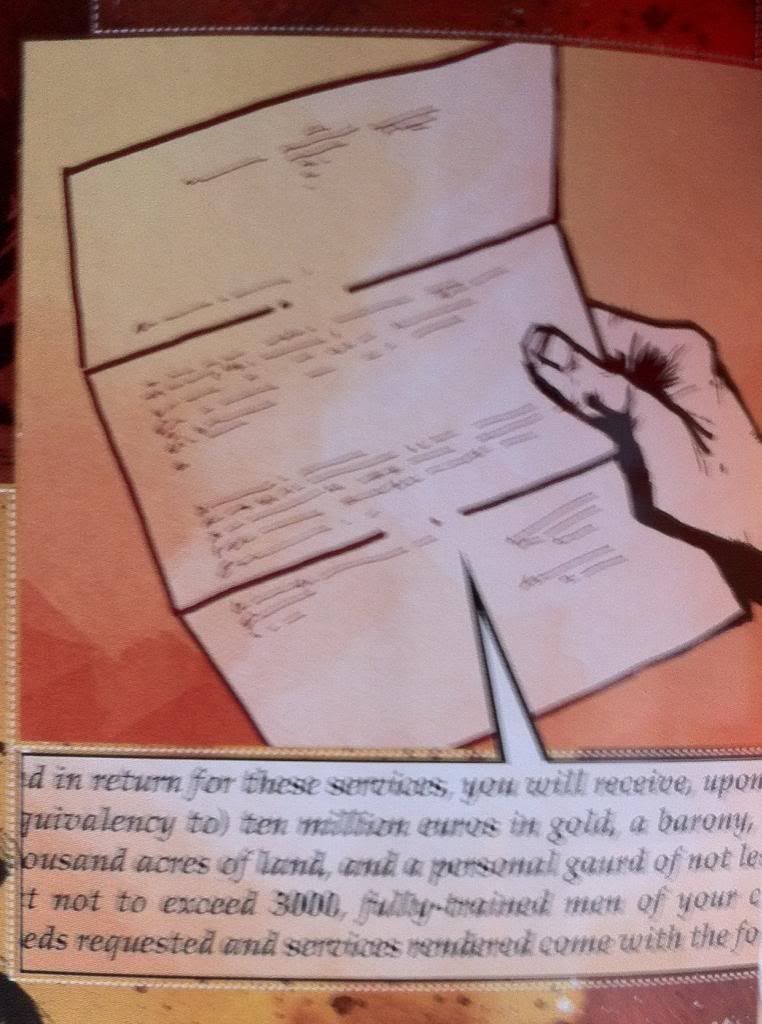
There are even historic correspondence in both books:

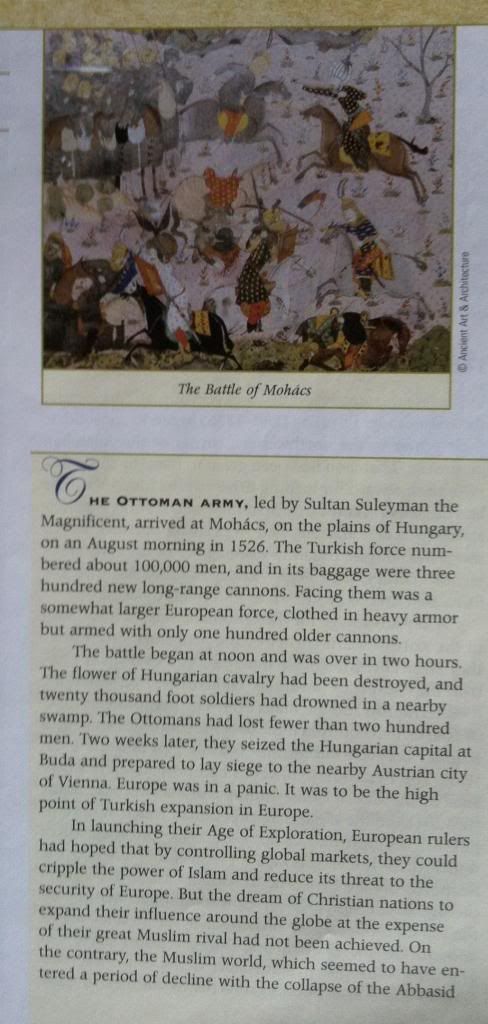
And of course both the textbook and the comic have their narrative framed by a disembodied authoritative voice:

By co-opting the design elements of History textbooks, Pax Romana banks on the authority of the textbooks which makes the comic feel more complete. These elements the difference between a comic that feels like a sci-fi comic geeking out and a reasonable, academic thought experiment with intellectual bonafides. And I think that these elements are a big part of the magic of Pax Romana and the reason I'm still thinking about this comic more than a year after I've last read it.

